What Is Commercial Construction? A Guide for Businesses
Have you ever wondered what goes into building the structures where we work, shop, and receive healthcare? In this article, we explore the fundamentals of commercial construction, a vital part of local business development in Keene, NH. Understanding what construction entails and how it differs from residential and industrial building can help businesses plan effectively for new projects. We will look at the types of construction projects, the key players involved, and the typical process from start to finish.
What Is Commercial Construction?
Commercial construction focuses on creating buildings and structures for commercial use. This sector includes a wide range of facilities designed for business operations and public use. It differs greatly from residential construction, which centers around building homes and apartments for personal living. Similarly, industrial construction mainly involves manufacturing plants, warehouses, and large facilities used for production or heavy equipment, often requiring specialized construction techniques.
The primary distinction among these construction types lies in their purpose. Commercial buildings are designed to accommodate customers, employees, and business operations. Consequently, they often need to meet stringent building codes, zoning laws, and safety requirements to handle greater foot traffic and more complex systems. Commercial construction requires careful planning to create spaces that are functional, accessible, and durable, helping your business operate efficiently and professionally.
Common Types of Commercial Construction Projects
Construction encompasses a broad spectrum of project types. Here are some of the most common categories:
- Retail Buildings: From small shops to large shopping centers, retail construction focuses on creating welcoming and appealing spaces for customers. These projects often need flexible floor plans to display merchandise effectively.
- Office Buildings: Business offices require layouts conducive to productivity, including private workspaces, conference rooms, and reception areas. Modern office construction often includes open floor plans and amenities that support collaboration.
- Hospitality Venues: Hotels, motels, and restaurants fall under this category. These constructions emphasize customer comfort and usability, including dining areas, guest rooms, and recreational spaces.
- Healthcare Facilities: Hospitals, clinics, and urgent care centers must meet specialized regulations. Healthcare construction requires attention to sanitation, medical gas supply, and accessibility standards.
- Mixed-Use Developments: These projects combine commercial spaces with residential or entertainment uses. Mixed-use buildings offer versatility and benefit from shared infrastructure.
- Industrial Projects: Some light industrial buildings can also be categorized under construction, especially those used for office-based administrative activities or customer-facing operations.
Understanding which type of commercial construction aligns with your business is an important first step. Each type requires different design considerations, permits, and materials, making expert guidance essential.
The Role of Communication and Collaboration in Commercial Construction
Successful construction projects depend heavily on effective communication and collaboration between all parties involved. From the owner to the subcontractors, clear communication helps avoid costly delays and misunderstandings.
Business owners need to clearly convey their goals and requirements to architects and engineers, who translate these needs into practical designs. General contractors coordinate every phase of the construction, managing schedules and overseeing on-site work to ensure quality and timeliness. Subcontractors, each specializing in different trade areas such as electrical or plumbing, rely on clear directives and coordination to align their tasks with the overall project timeline.
Regular meetings, site updates, and transparent reporting are vital to keeping everyone on the same page throughout the project’s duration. This teamwork ultimately results in a building that meets expectations while complying with local regulations.
Step-By-Step Commercial Construction Process
When embarking on a construction project, having an understanding of the process can help you feel more confident and prepared. Here is a typical timeline of what to expect:
- Planning and Design: This initial stage includes needs assessment, creating detailed architectural plans, engineering studies, and securing the necessary permits. This phase sets the foundation for what your building will look like and how it will function.
- Pre-Construction: During pre-construction, the project team works on scheduling, contracts, and budgeting. Selecting materials and finalizing logistics also occur here so the build can proceed smoothly.
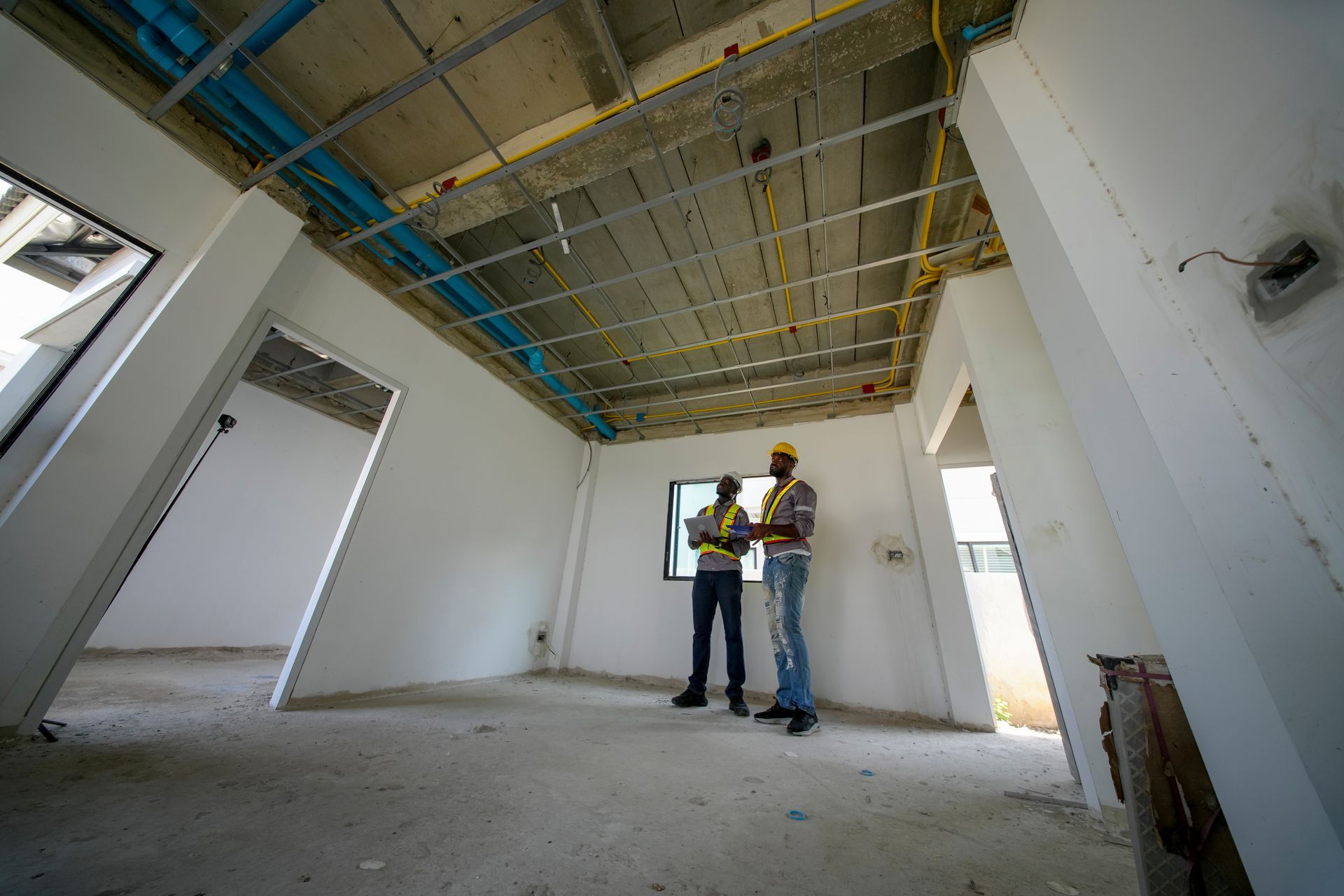
- Construction: The general contractor mobilizes workers, equipment, and materials to the site. The building takes shape through foundation laying, framing, installation of systems, and finishing work.
- Inspections and Quality Assurance: Throughout construction, inspections verify that work complies with safety codes and quality standards. This step is crucial to protect future occupants and community members.
- Cleanup and Finalization: Once construction is complete, the site is cleaned, any leftover materials are removed, and the building is prepared for occupancy. Final walkthroughs ensure everything meets the agreed specifications.
- Post-Construction Follow-Up: After you move in, follow-up support addresses any issues that might arise, such as warranty repairs or maintenance guidance.
Understanding these stages allows you to plan accordingly and stay involved in your project’s progress.
Why Local Expertise Matters in Commercial Construction in Keene, NH
Choosing a commercial builder with local knowledge is an advantage. Companies like Bergeron Construction understand the specific building codes, zoning laws, and community standards in Keene, NH. Local expertise ensures smoother permit approvals and adherence to environmental regulations.
Moreover, a locally based contractor is more accessible for open communication, site visits, and post-construction support. This hands-on approach helps guarantee your business receives personalized service tailored to the unique needs of the Keene area.
Partner With Trusted Experts for Commercial Construction in Keene, NH
For businesses in Keene, NH, partnering with an experienced and locally trusted company like Bergeron Construction ensures access to professional construction services that meet your project goals. Our team understands the unique challenges of commercial construction in Keene, NH, including zoning requirements, local building codes, and environmental considerations.
When you choose Bergeron Construction, you benefit from transparent communication, dedicated project management, and a commitment to safety and quality. Whether you are planning a new retail center or an office expansion, we provide the expertise and resources to make your vision a reality.
Ready to start your next commercial construction project in Keene, NH? Contact Bergeron Construction today at
603-352-4447 or
visit our contact page to schedule a consultation. Let us help build the future of your business with professional, reliable construction services.